
The idea behind Pluribus
More people should have a say in how things work.
What began as a small local group became a foundation built around a simple idea: people with different experiences can investigate the same problem without having to agree on everything.
The founding story
It started with a commute
In 2019, Michael Milord spent his workdays building software and his commute listening to the news. He’d hear about problems he wanted to do something about and wonder what he could realistically take on around a full-time job.
Rather than start with one cause, he brought people together to see whether they could investigate a problem and act on it in the time they had.
- 2019A local group takes shape
About fifteen people began meeting in person as The H.A.C.K. Foundation, PA.
- Pandemic eraWork moves beyond one room
The group started developing tools for people who couldn’t meet in person or at the same time.
- Institutional phaseThe same foundation takes a new name
The organization received charitable recognition and adopted the Pluribus name.
Our approach
Understand the system before you try to change it.
That’s what the early group meant by a hacker’s mindset: notice what others take for granted, find out why things work that way, and test something better. An idea from another field might be more useful than another round of the same debate.
When meetings moved online, the group learned that a video call still leaves out anyone who isn’t free at the same time. That pushed Pluribus to build around work people could pick up between meetings.
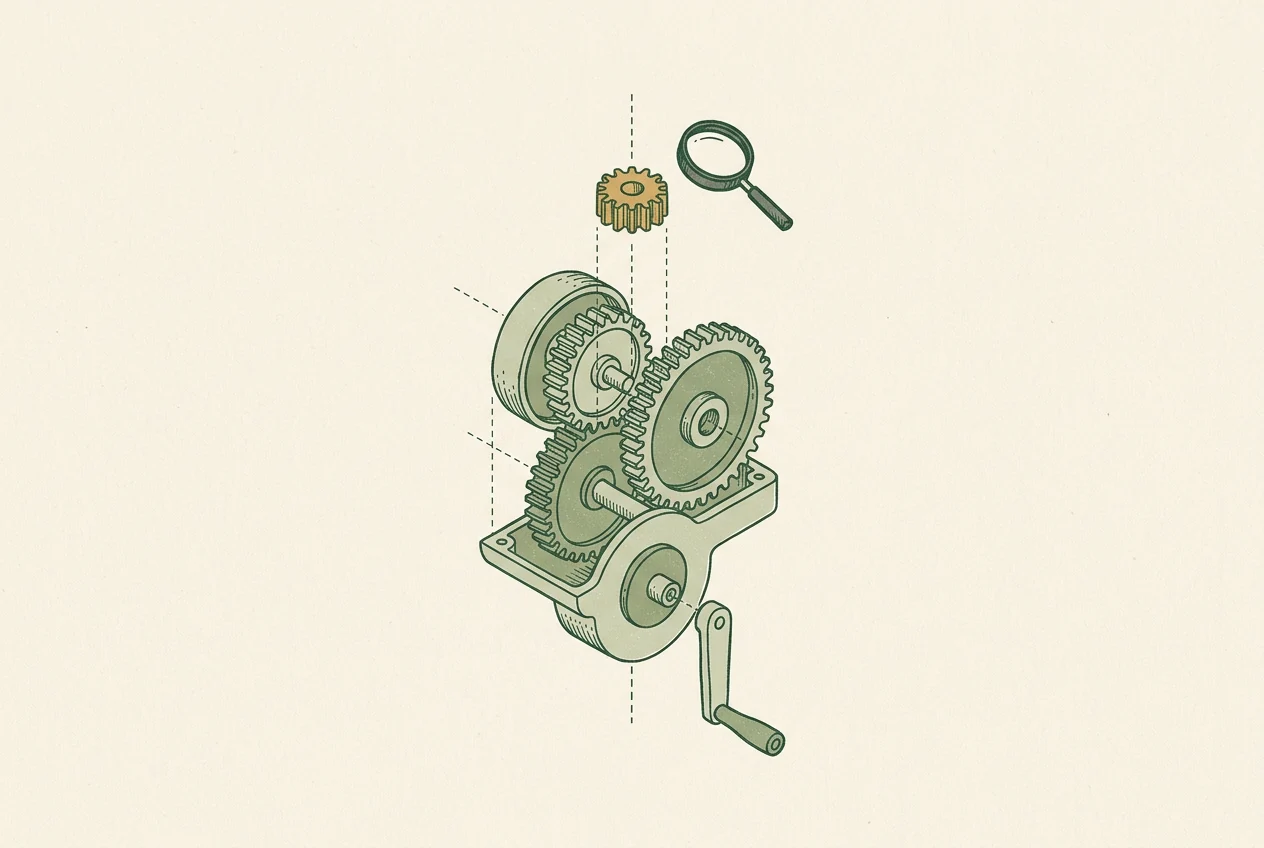
A think tank anyone can contribute to
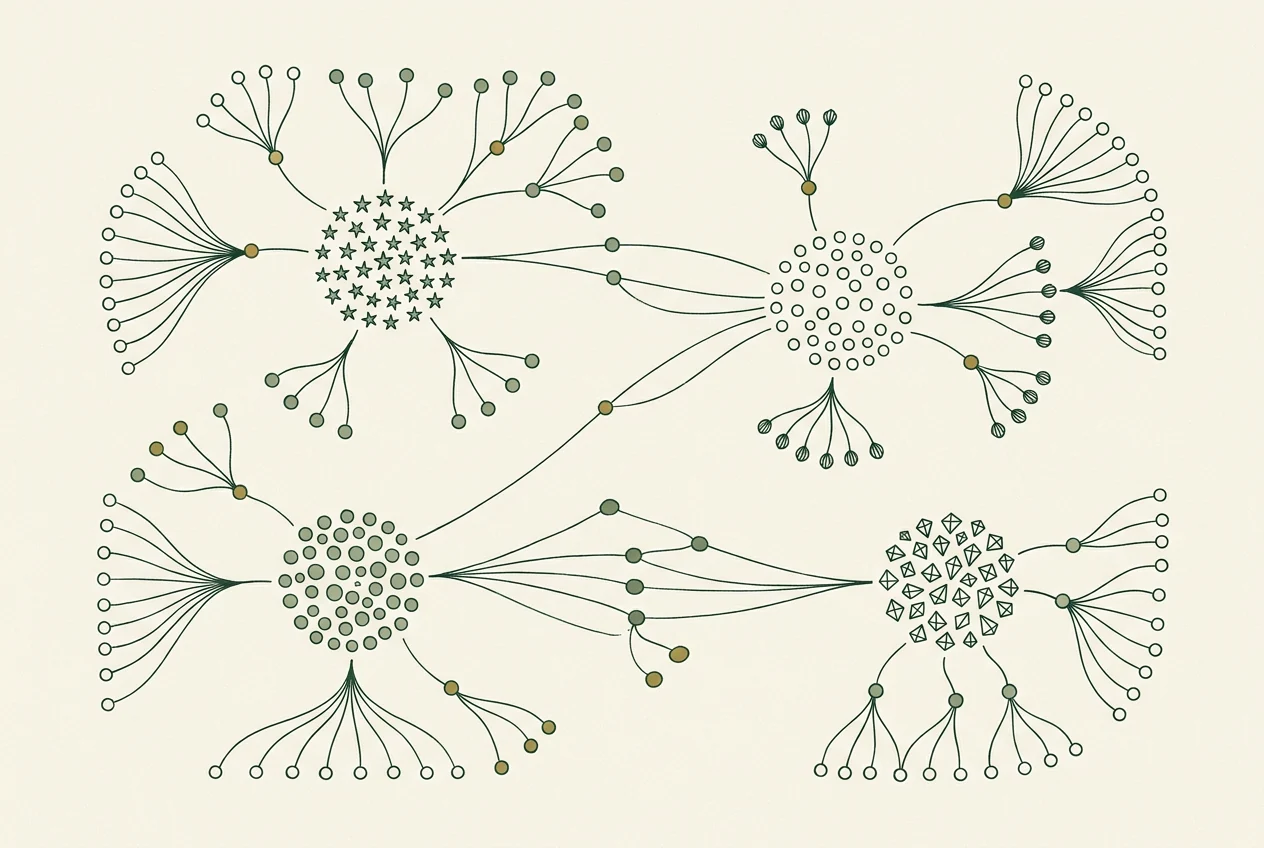
Pluribus means “many.” A neighbor knows how a problem affects daily life. A researcher might know why it persists. An organizer might know who’s missing from the conversation. Each can contribute without having to do everyone else’s job.
Communities choose which problems to work on. Pluribus is not affiliated with a political party or campaign.
A place to meet
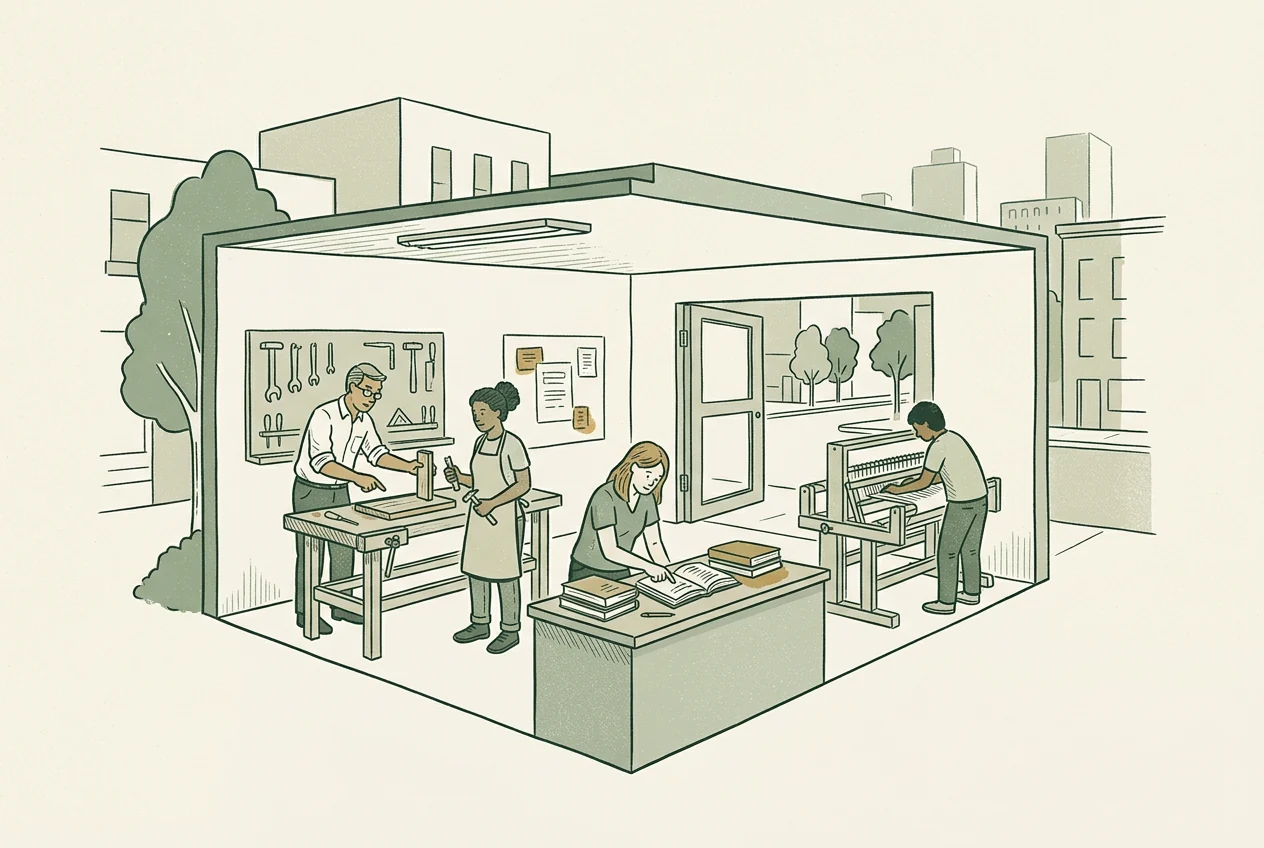
We hope to support local chapters, workshops, and hackerspaces where people can share tools and work together. Those aren’t active programs. The platform comes first, to help groups stay connected between meetings.
Founder & executive director
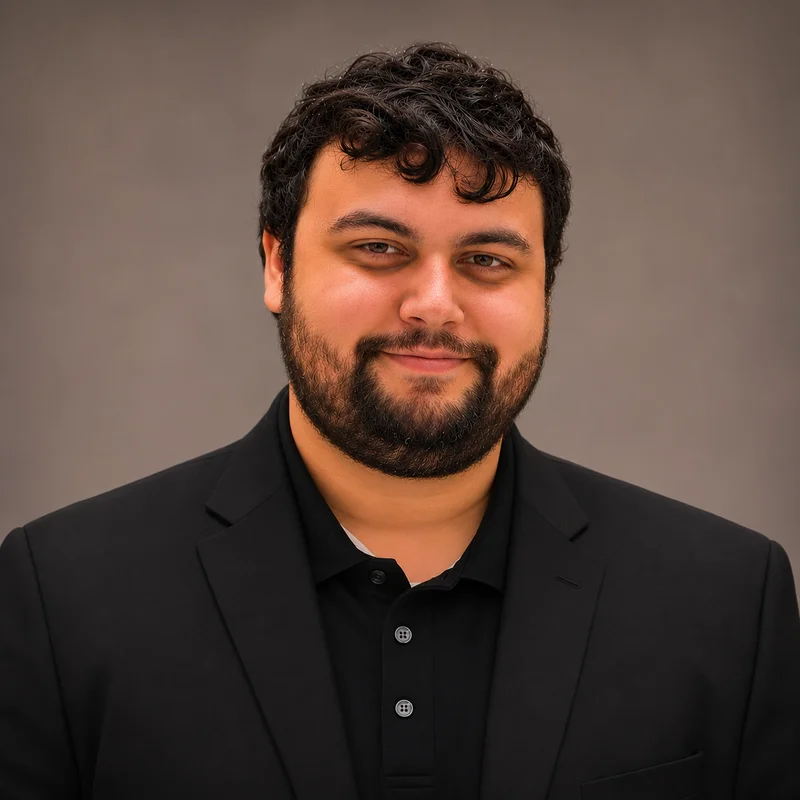
George Michael Milord
Michael is a software engineer and Drexel University graduate. As CEO and CTO of Dappd, he led engineering teams and built distributed software for clients. Under board oversight, he leads the foundation’s day-to-day work and development of the civic platform.
For leadership inquiries, email info@thepluribusfoundation.org.
Read about foundation oversightThe archive
Founding writings
Go back to the two texts that set out the foundation’s early ideas about public decisions and what it means to think like a hacker.
Browse the archive